
NoCo Fireshed Launches First Cultural Burning Workshop with Indigenous Partners
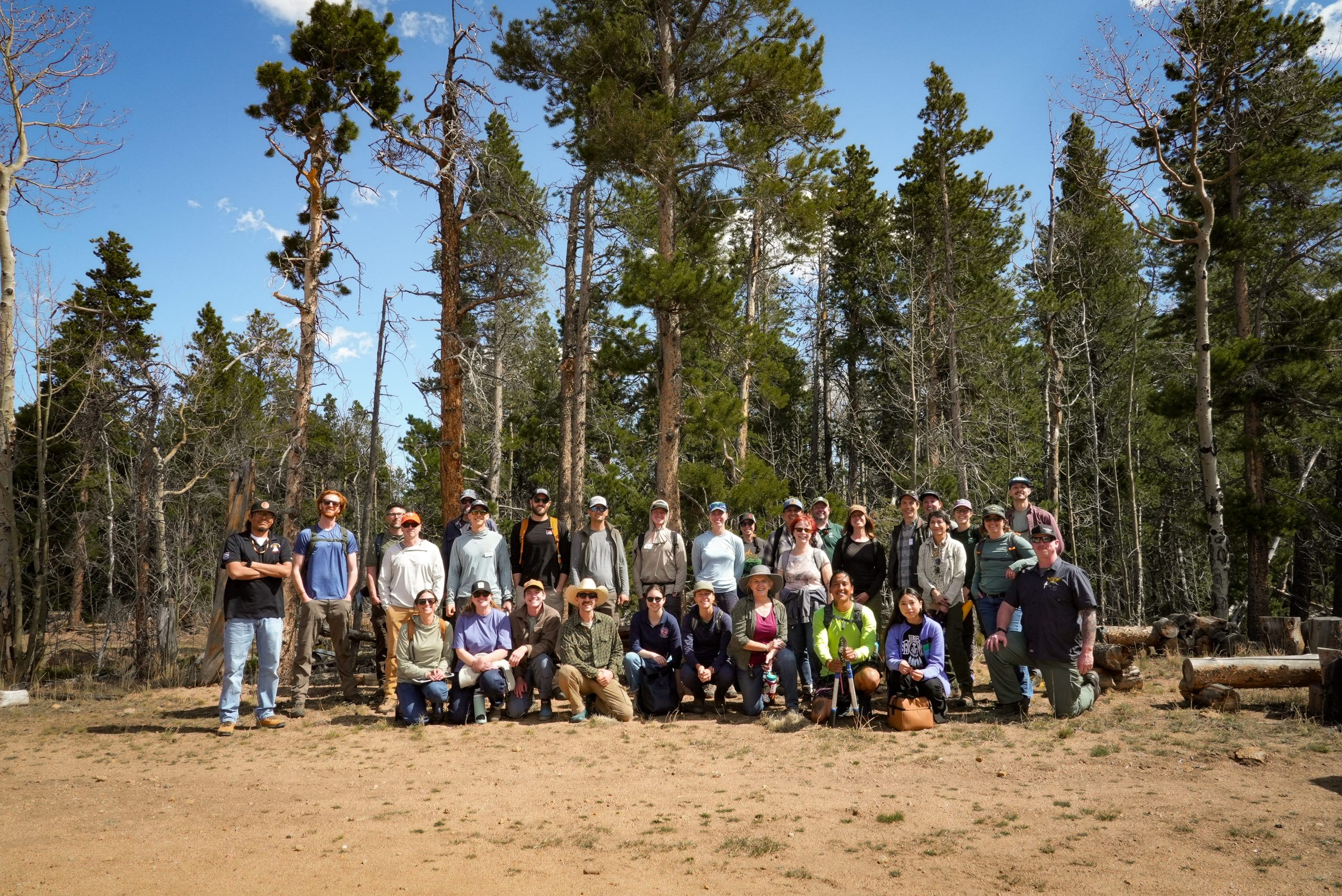
Last month, the Northern Colorado Fireshed Collaborative (NoCo Fireshed) partnered with Trees, Water, & People (TWP) and The Nature Conservancy Colorado to host a two-day cultural burning workshop for practitioners. Over 40 Fireshed partners attended, joining a dynamic learning environment grounded in shared knowledge, reflection, and relationship-building. We were honored to welcome the Tallbull Family and Phillip Daw of the Cheyenne and Arapaho Tribes, Michael Martinez and James Calabaza of TWP, alongside presentations from Fire Network’s Indigenous Peoples Burning Network.
Throughout the workshop, several important themes emerged. Participants were reminded that fire is not simply a management tool, but a living cultural practice rooted in generations of Indigenous knowledge and stewardship. Cultural burning reflects a reciprocal relationship with the land—one that emphasizes healing, restoration, and long-term ecological balance.
A key takeaway for many attendees was the importance of shifting from leading to listening. Effective partnership requires humility, patience, and a willingness to follow Indigenous leadership. This includes engaging Tribal partners early in the planning process and co-creating projects rather than presenting pre-developed ideas. These practices help build trust and ensure that cultural values are meaningfully integrated into fire management efforts.
New ideas and possible next steps also emerged from the workshop. NCFC is excited to explore opportunities such as strengthening early and ongoing engagement with Tribal partners, connecting with Tribal Historic Preservation Officers and Fire Management Officers, and building a deeper understanding of the legal frameworks that support Tribal stewardship. There is also strong interest in expanding training and cultural learning opportunities, fostering partnerships that support shared stewardship across jurisdictions, and identifying pathways to better integrate Traditional Ecological Knowledge into prescribed fire planning and implementation.
The workshop also highlighted the importance of blending Traditional Ecological Knowledge with Western fire management systems. While challenges remain—including policy gaps and differing planning frameworks—there is growing opportunity to create more inclusive and adaptive approaches to prescribed fire in Colorado.
We extend our sincere thanks to Trees, Water, & People, The Nature Conservancy Colorado, and Boulder County for supporting this important learning experience. This workshop represents just the beginning. By continuing to build relationships with Indigenous partners and honoring traditional knowledge, we can move toward more resilient landscapes and a more collaborative future for fire stewardship in Colorado.
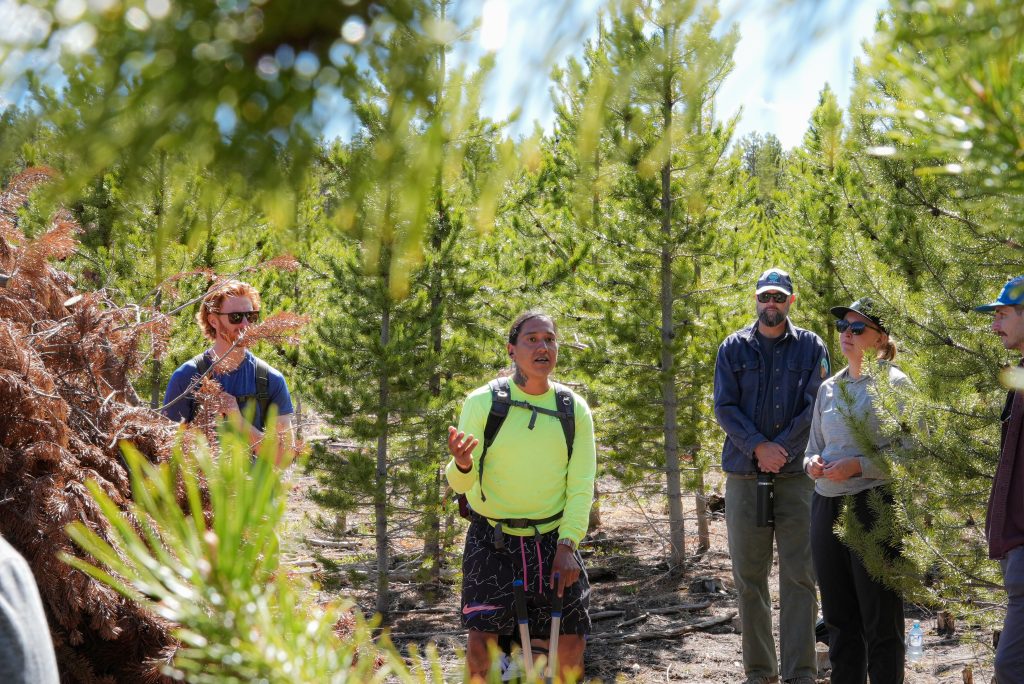
Photos provided by Trees, Water, & People