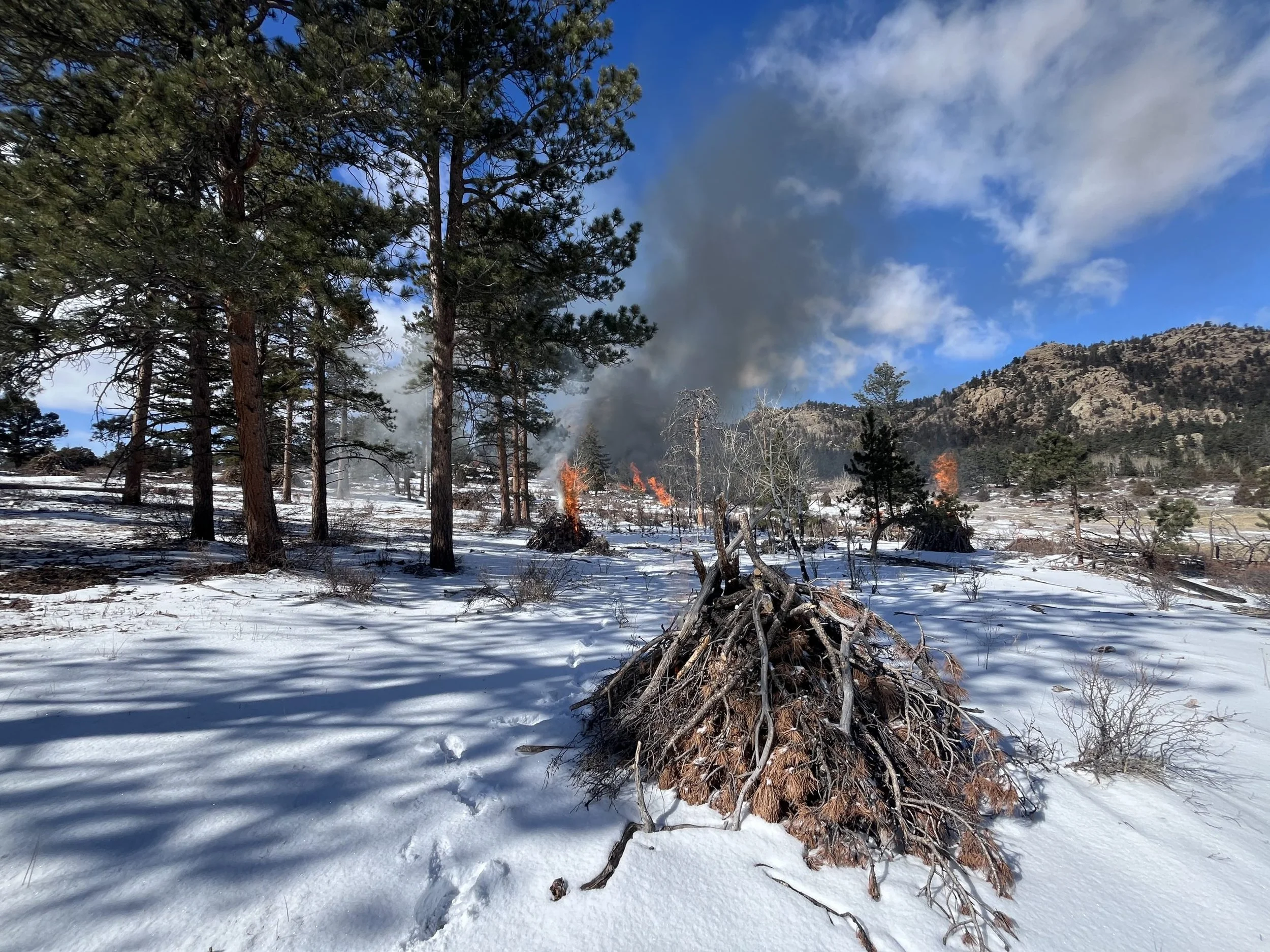
What is a Prescribed Fire?
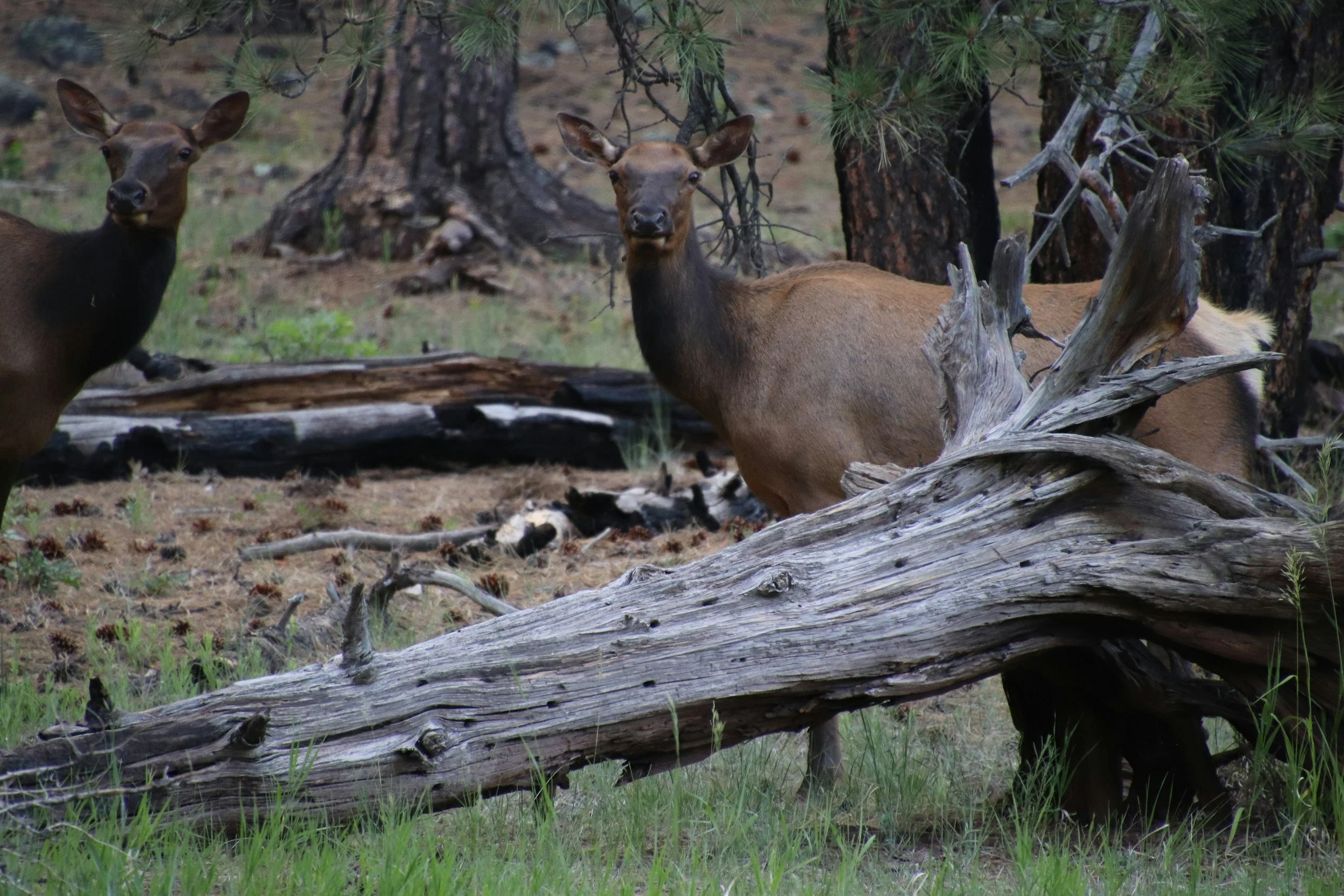
Did you know that fire can benefit both people and nature?
Prescribed fire is an important forest restoration tool that uses a natural process (fire) to help foster ecosystem health, decrease future fire risk, and prevent negative outcomes of wildfire. Many of our ecosystems are adapted to fire, but due to a century of wildfire suppression, these ecosystems have skipped their natural fire cycles.
What is Prescribed Fire?
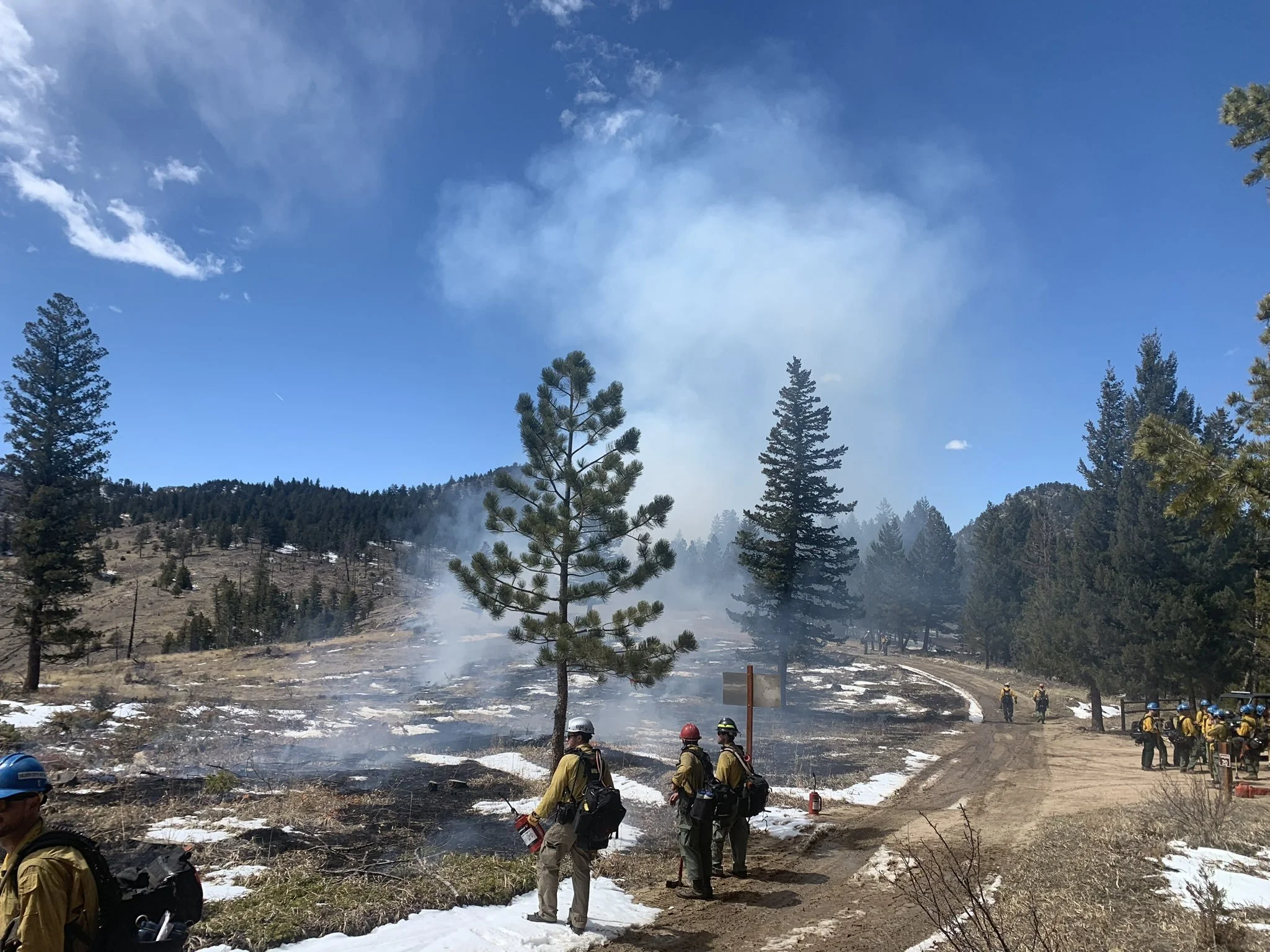
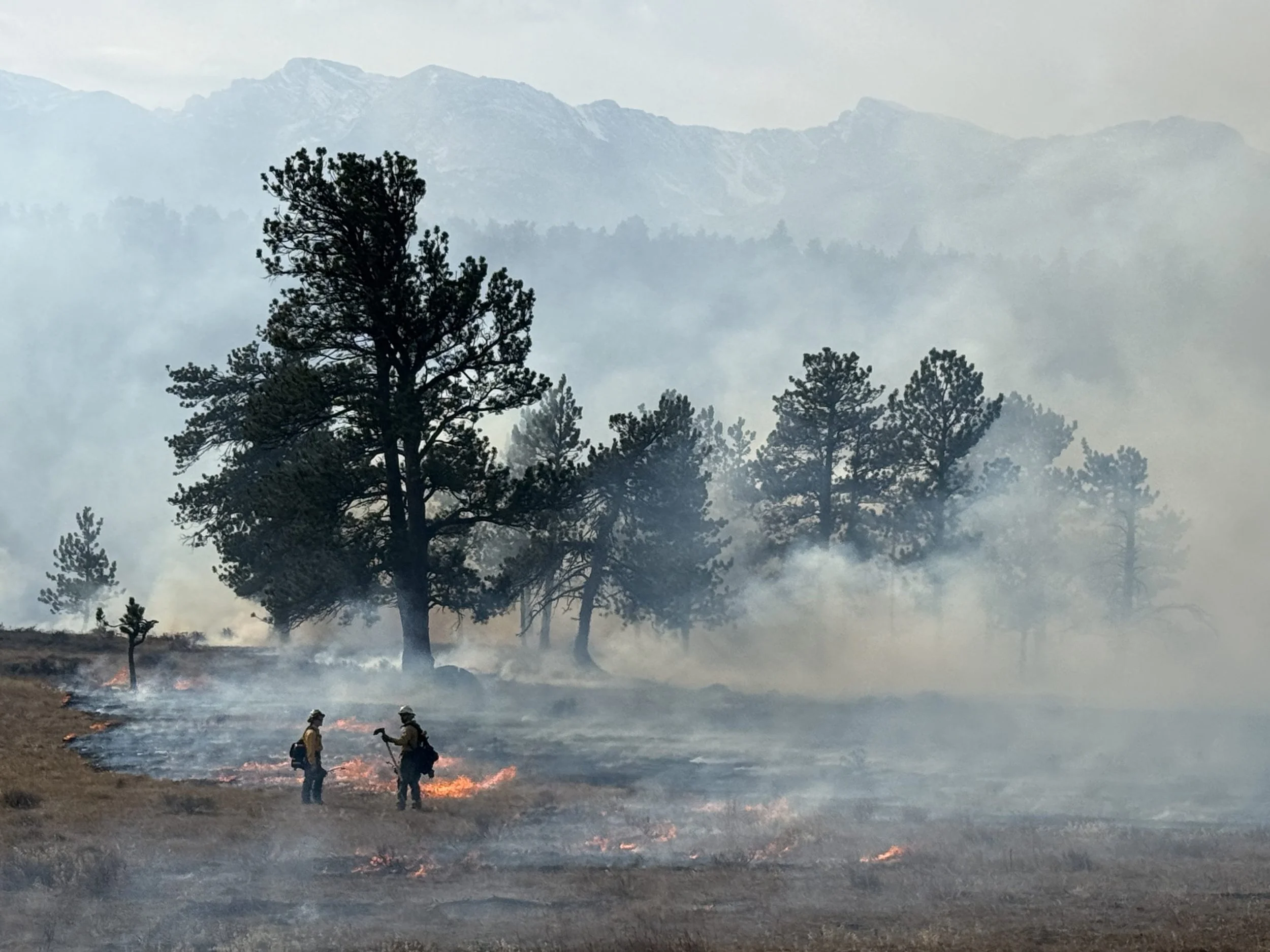
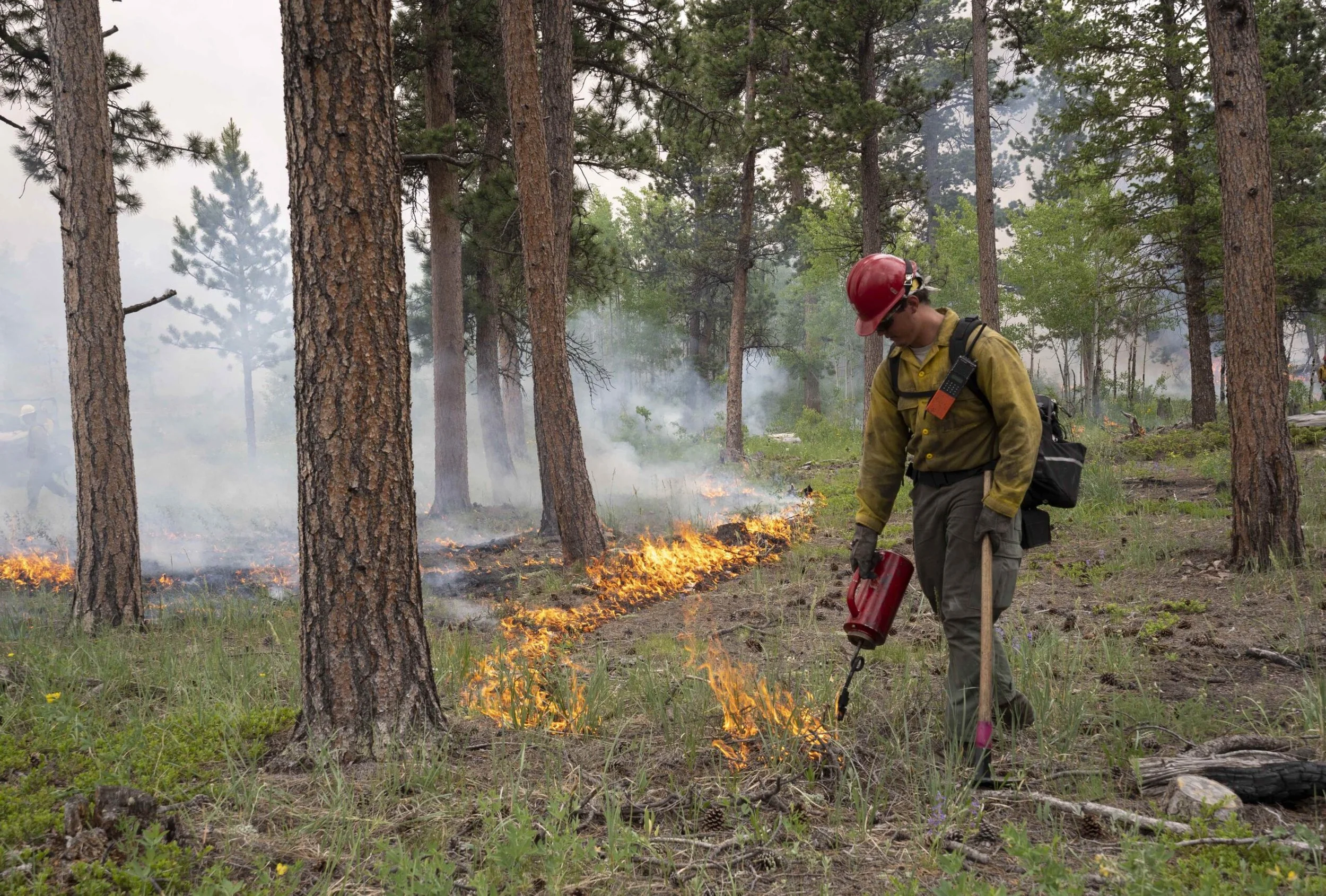
A prescribed fire is an intentionally ignited fire under certain, predetermined conditions to meet specific objectives. Prescribed fire aims to mimic low to moderate intensity fire to restore fire as a natural process. There are two main types of prescribed burning seen in Colorado.
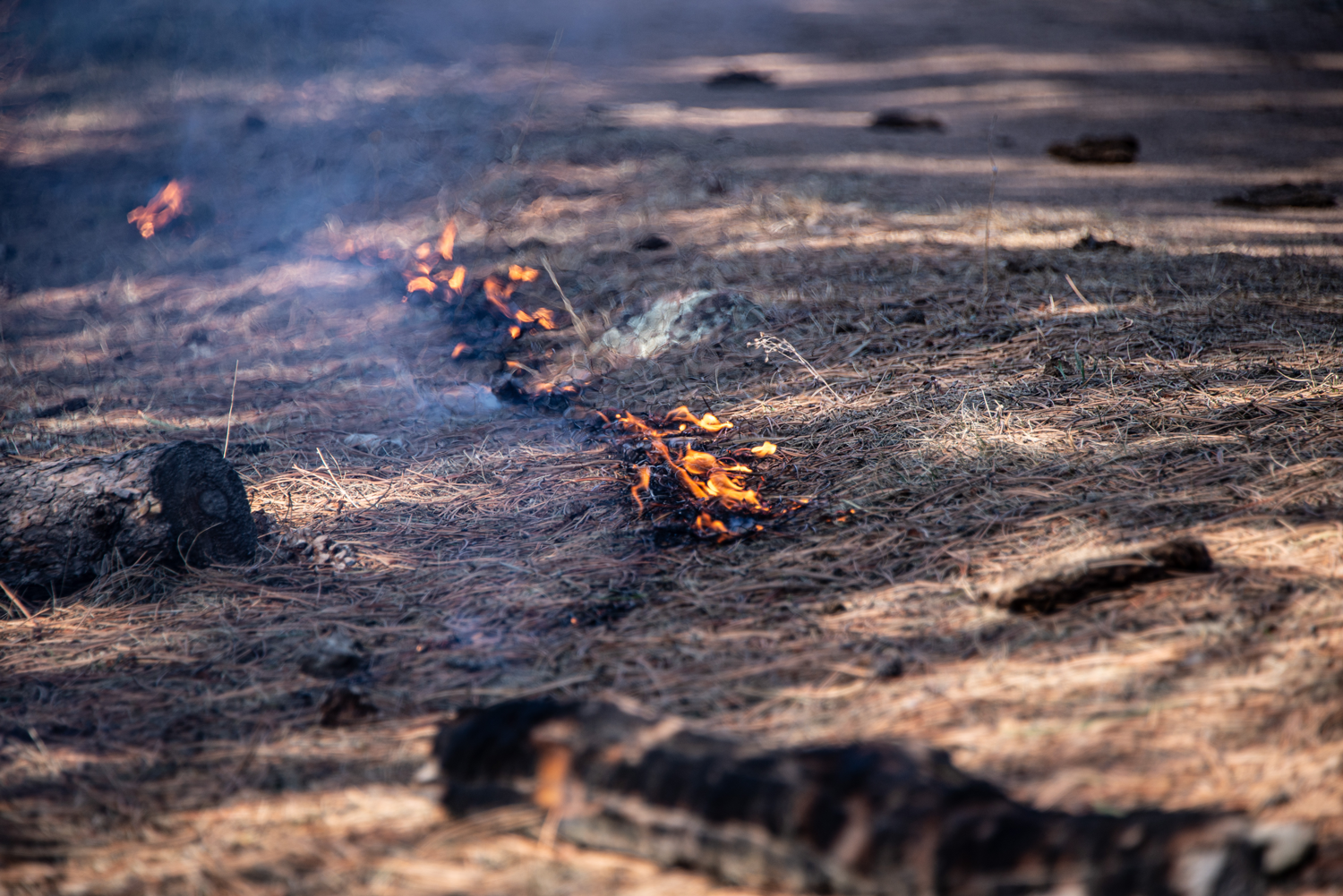
Broadcast Burning
Broadcast burning occurs in snow-free areas that allow flames to move along the forest floor to remove accumulated fuels. Broadcast burns are contained by natural features, constructed handline, roads, and other barriers. Ecological thinning sometimes occurs before broadcast burning to prep the forest for safe burning conditions.
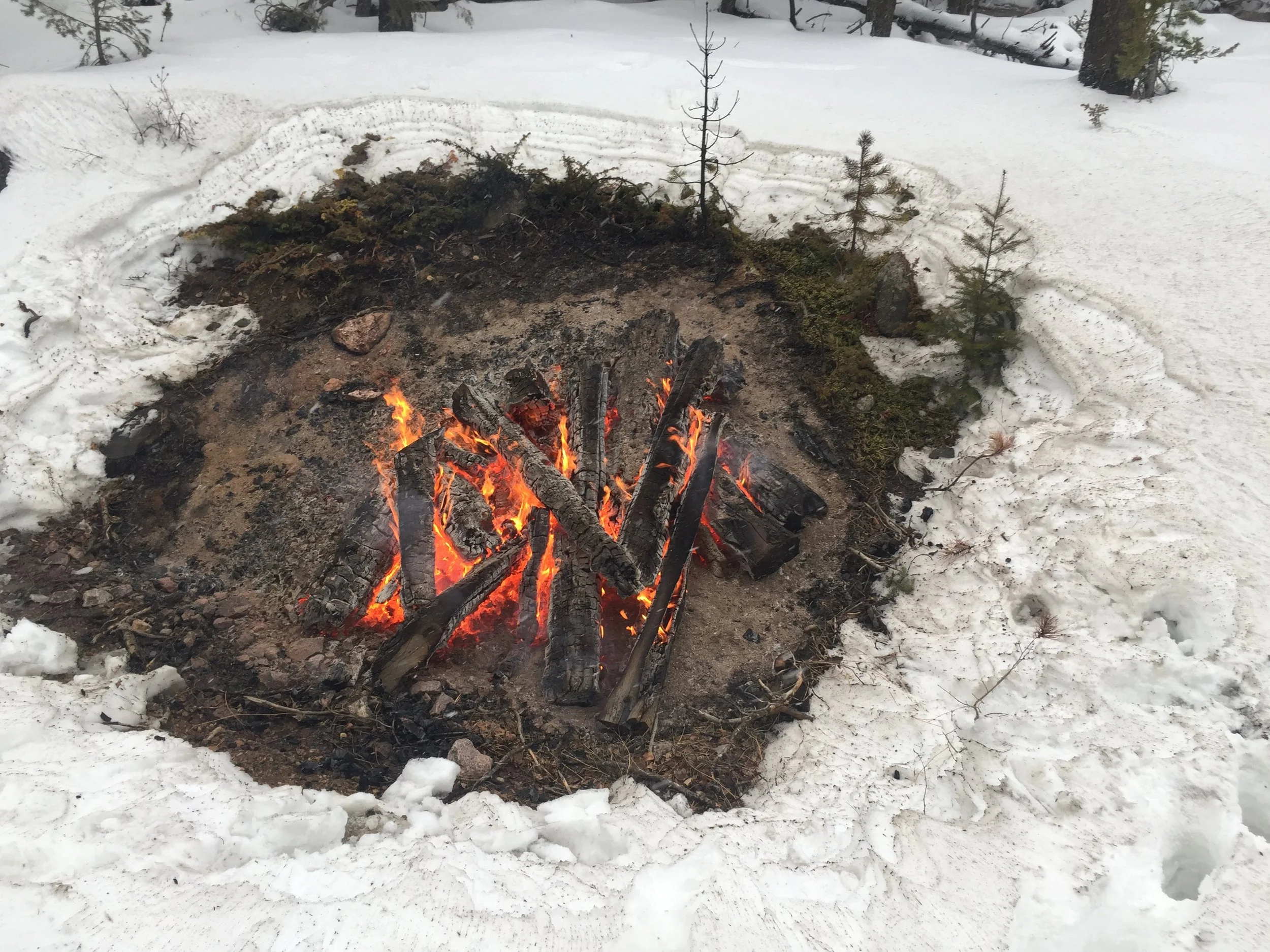
Slash Pile Burning
Piles of woody debris (slash) are burned in an effort to reduce hazardous fuels. These piles are made from slash left after mechanical thinning or hand thinning. Winter snowpack serves as a natural barrier in pile burning projects to contain flames to the area immediately surrounding the hand or machine piles.
Benefits of a Prescribed Fire
Prescribed burn treatments within the NoCo Fireshed area have resulted in over 8x more wildfire risk reduced per acre than thinning-alone. The right fire at the right place and the right time has many benefits, such as:
Reducing hazardous fuels and protecting communities from extreme fires
Keeping our Colorado recreation areas open for years to come
Minimizing the spread of pest insects and disease
Providing forage and habitat for wildlife
Keeping our water resources and infrastructure reliable
Recycling nutrients back to the soil
Promoting the growth of trees, wildflowers, and other plants
Examples of Successful Prescribed Fires
Studies have shown that prescribed fire treatments within the NoCo Fireshed have resulted in over 8x more wildfire risk reduced per acre than thinning-alone. There have been many successful prescribed burns in Colorado that have met treatment objectives and have benefited our Colorado forests. Browse a few of those successes here:
Prescribed fire and the Alexander Mountain Fire
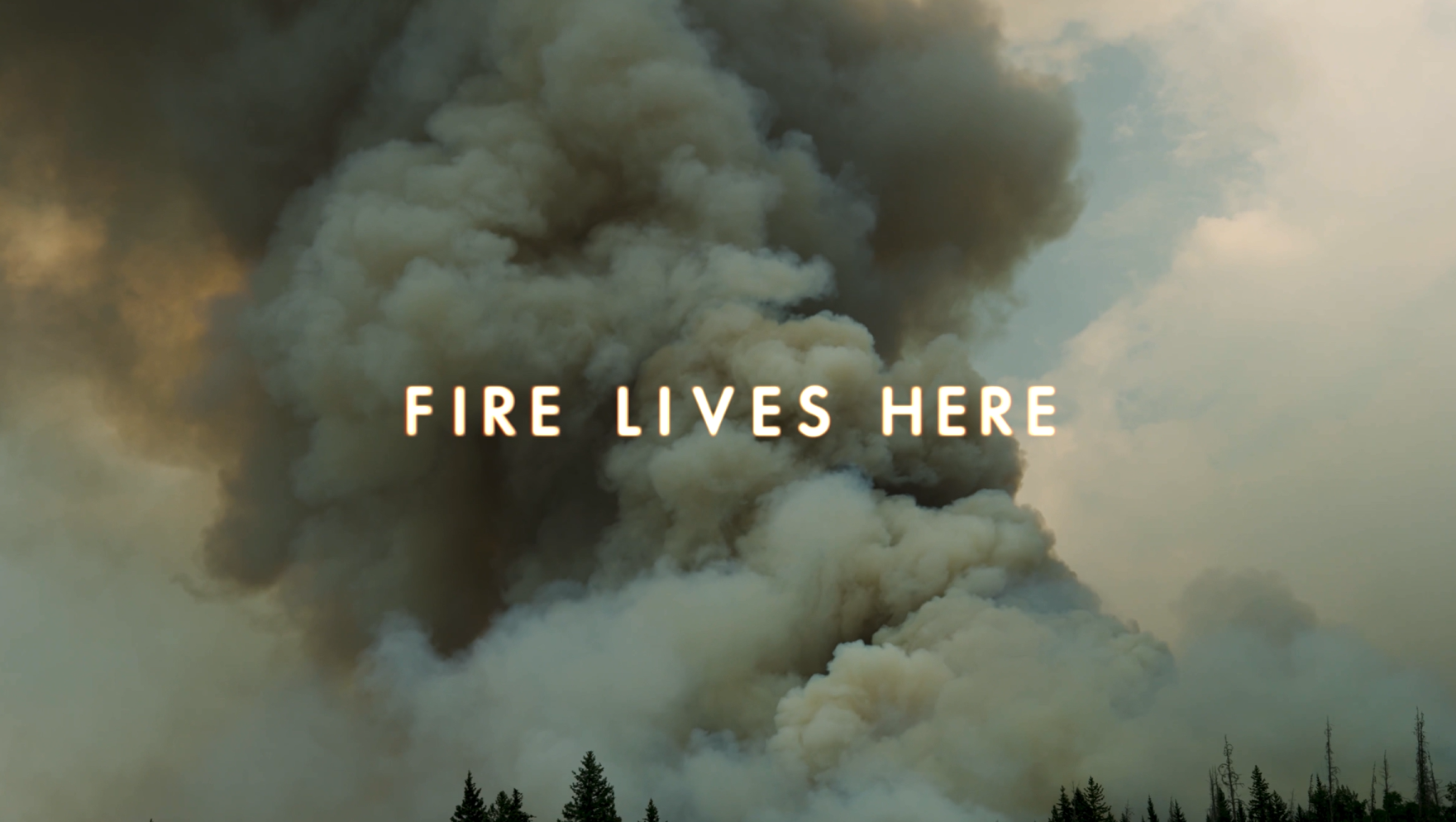
Prescribed fire and forest thinning were used in strategic areas prior to the start of the Alexander Mountain Fire in August 2024. These forest treatments created conditions where the forest could withstand wildfire, ultimately resulting in a low to moderate severity wildfire where damage was less than that of a severe wildfire. The film, Fire Lives Here, explains the benefits of those forest treatments and how it impacted the Alexander Mountain Fire.
Prescribed fire and The Drala Mountain Center
The Cameron Peak Wildfire was one of the largest wildfires in Colorado history, and ultimately inspired the Northern Colorado Fireshed Collaborative into action. Before the Cameron Peak Fire, prescribed fire and forest thinning were used in strategic locations to protect critical values. These treatments helped ensure that the Drala Mountain Center, a cherished spiritual center, was saved from the Cameron Peak Fire. The film, Fire Forest, documents those efforts to save the Drala Mountain Center. Or, read this CPR article.
Where to Find Prescribed Burns in Your Area
Dive Deeper
Prescribed Fire Common Terminology
Prescribed Fire’s Impact During 2020 Wildfire Season
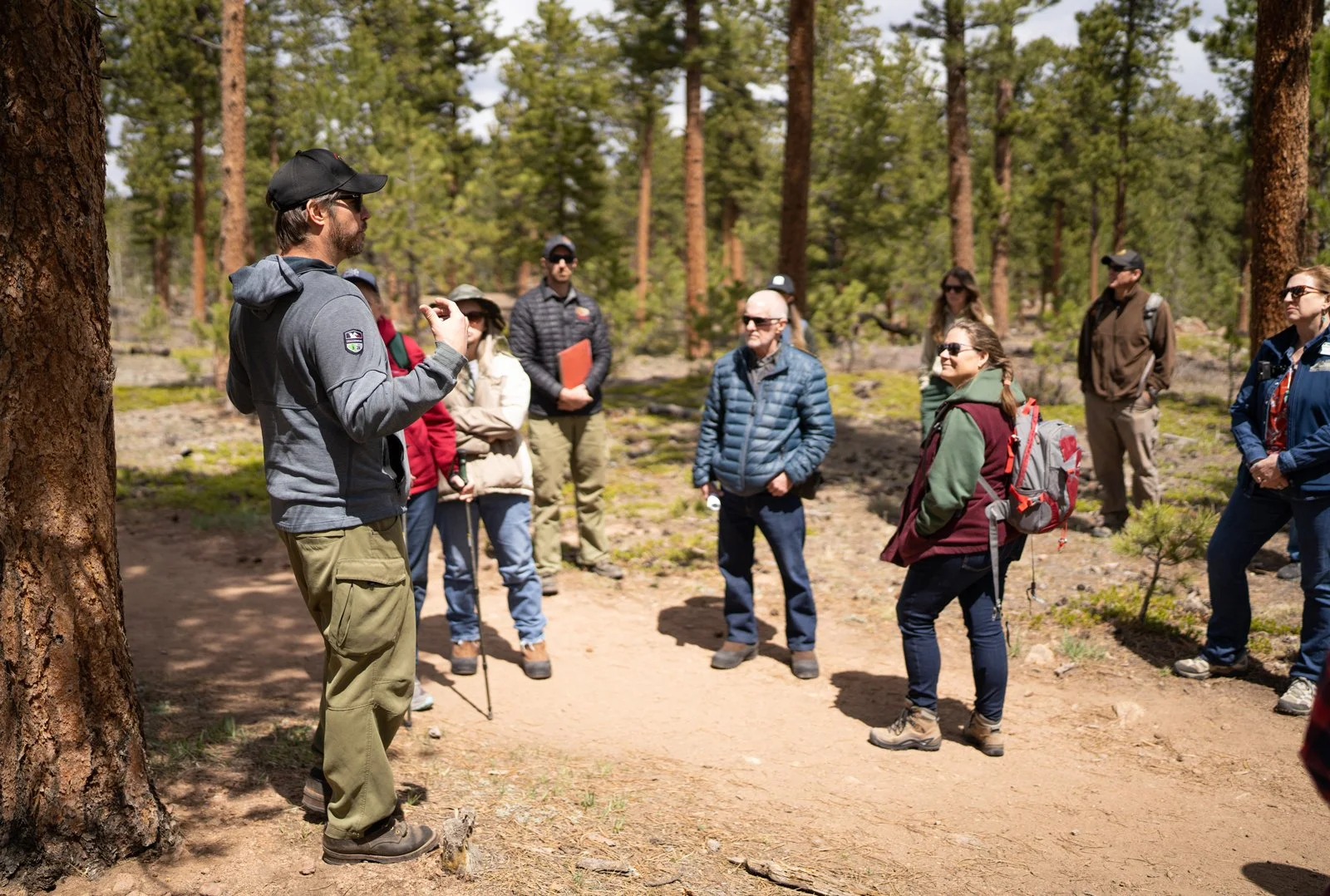
Listen: Hear the Voices Behind Prescribed Fire
Elements of a Prescribed Burn
A burn boss’s first priority is to conduct a safe burn, which requires long hours of preparation. Wind speed and direction, humidity and a host of other factors must meet safety requirements before a burn can begin. After establishing a perimeter of natural and hand-cleared firebreaks devoid of fuel, the crew will light a downwind backfire, which burns slowly as it moves into the wind. As the backfire burns away fuels, it creates a blackline. The crew patrols the firebreak perpendicular to the backfire, establishing a handline, where an igniter will use a drip torch to set a flank fire to clear fuels along the handline. When the flank fire has burned away enough fuel, an igniter will set the headfire along the windward firebreak. Fueled by the wind, the headfire typically burns quickly, but extinguishes itself by burning straight into the backfire.